Skip to content

E-waste recycling process

Solar scrap
back to material

Our main work is solar cells and solar modules. Below is how broken silicon cells are recovered, followed by the nine stages we use for IT equipment.

Solar scrap recovery

Broken silicon solar cells: recovery process

Broken silicon solar cells can be recovered for valuable materials, especially silicon, silver, aluminium and copper. The best recovery method depends on whether you have loose broken cells from manufacturing scrap or cells recovered from damaged solar modules.

1. Solar cell recovery process flow

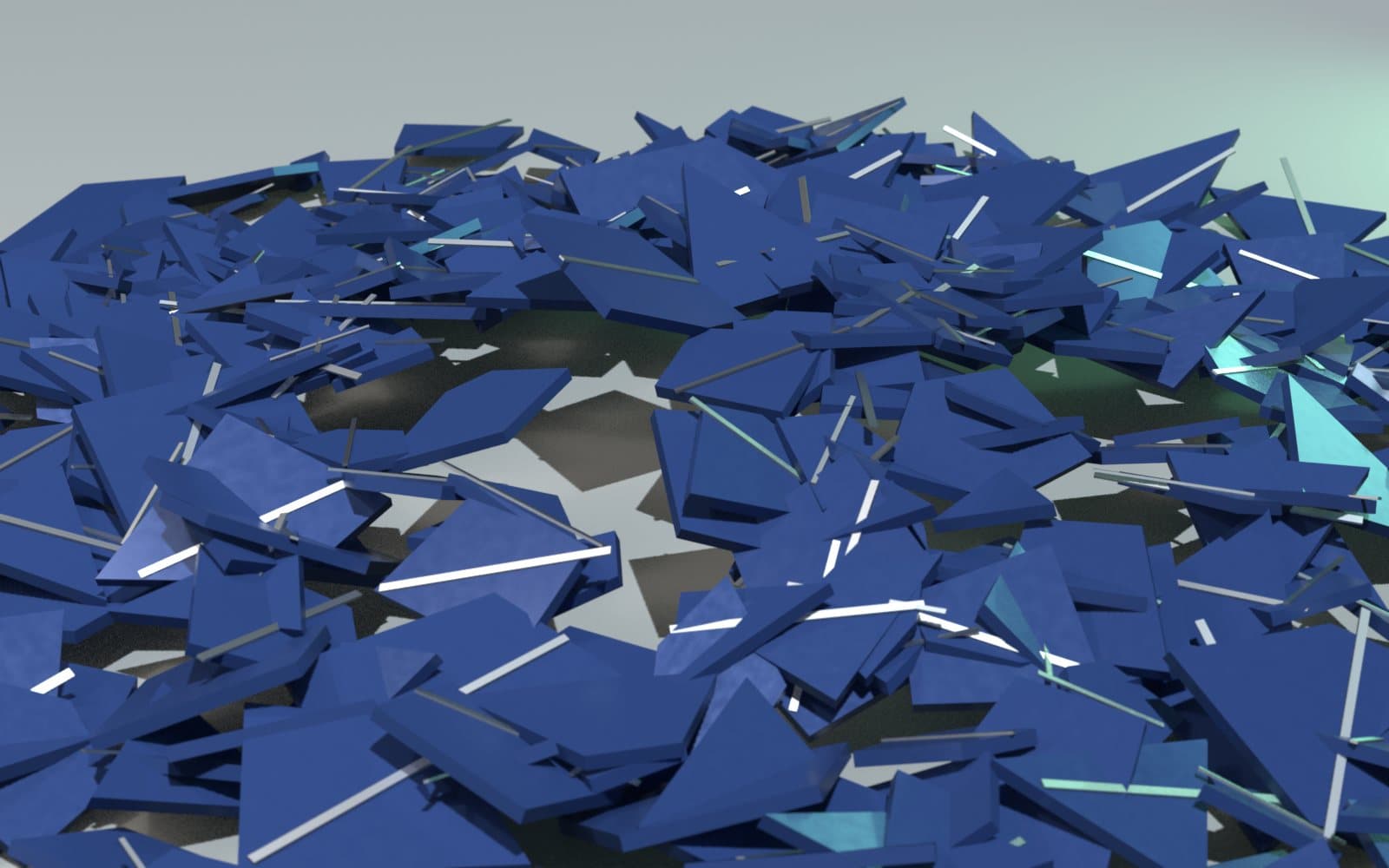
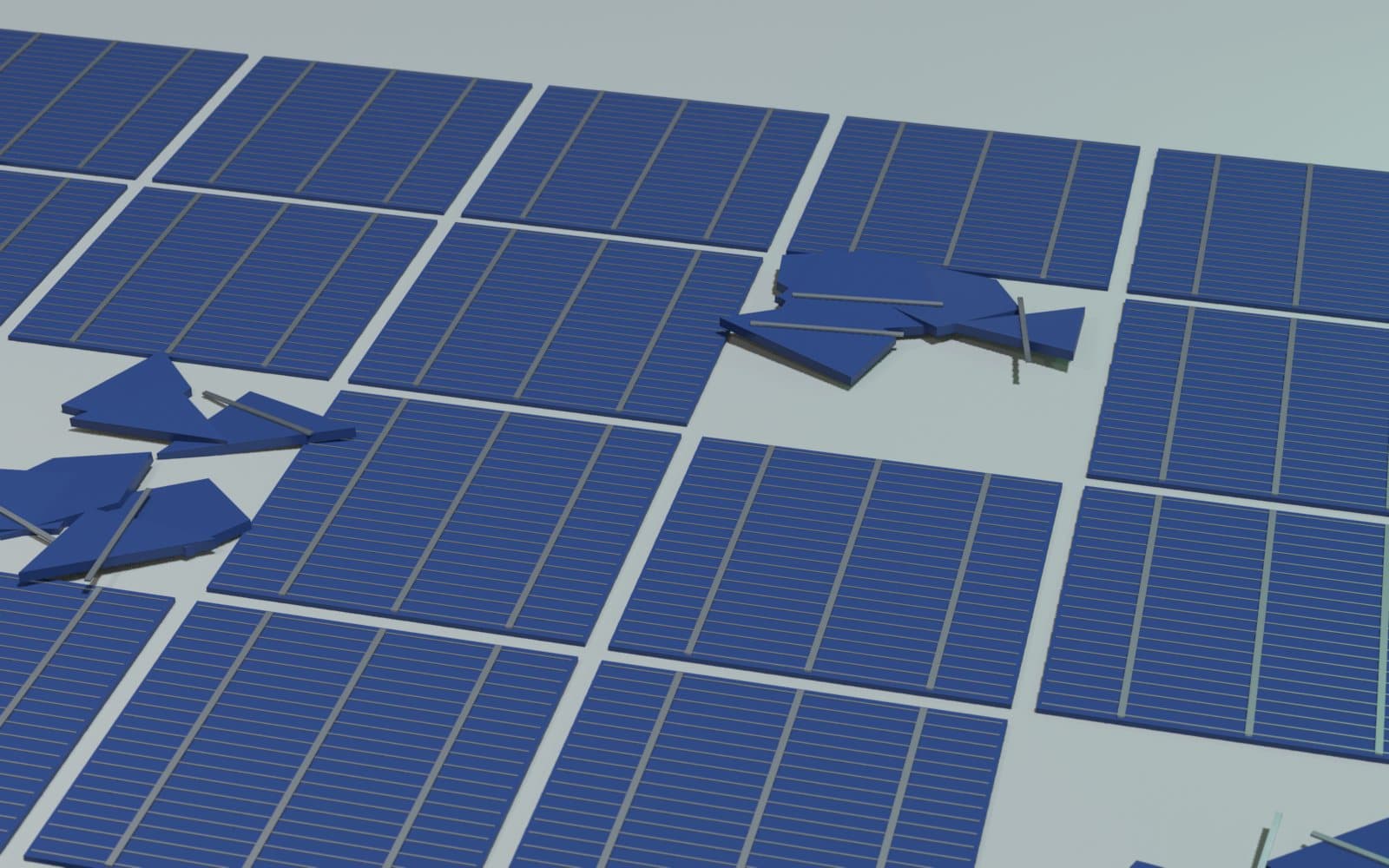
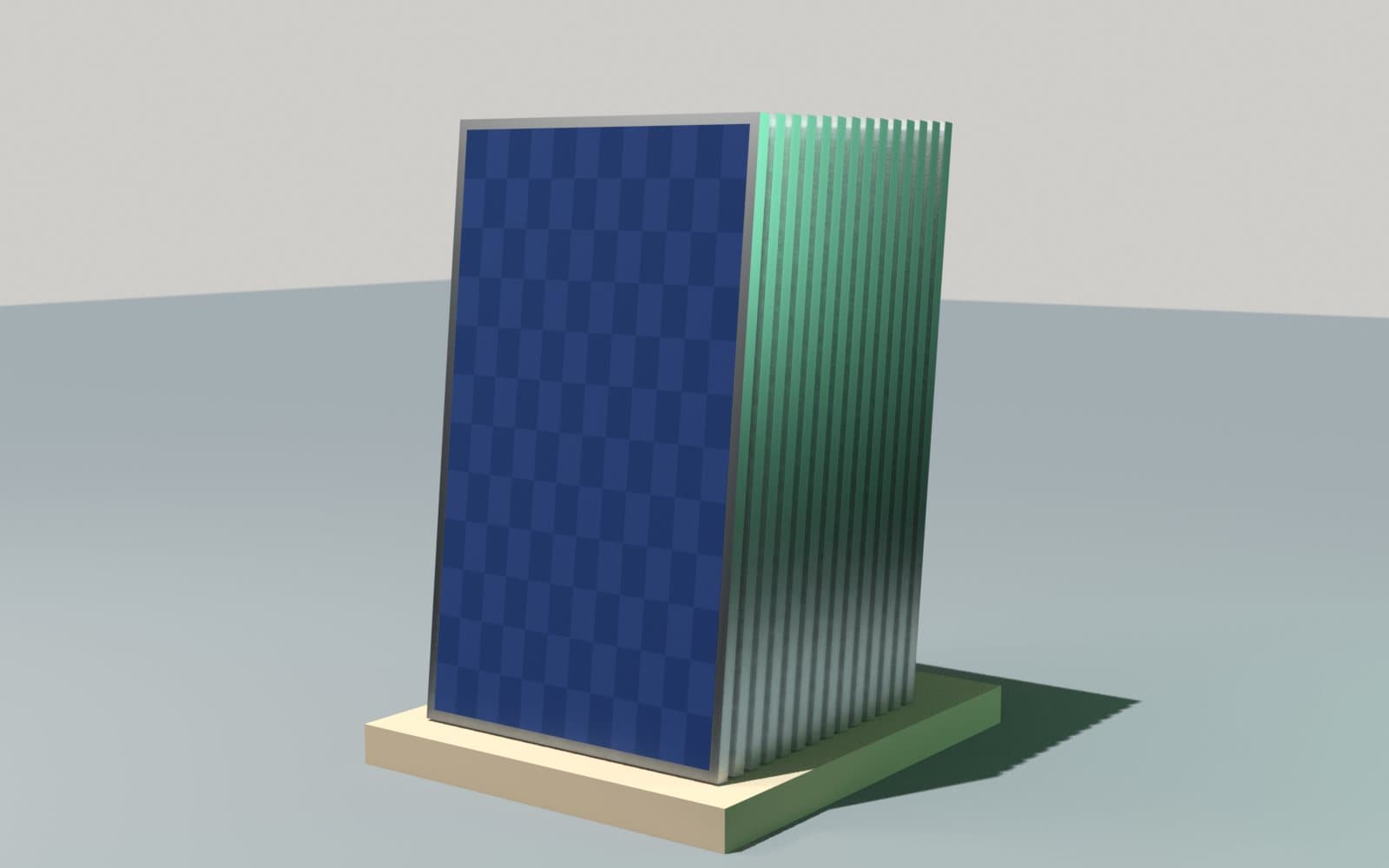
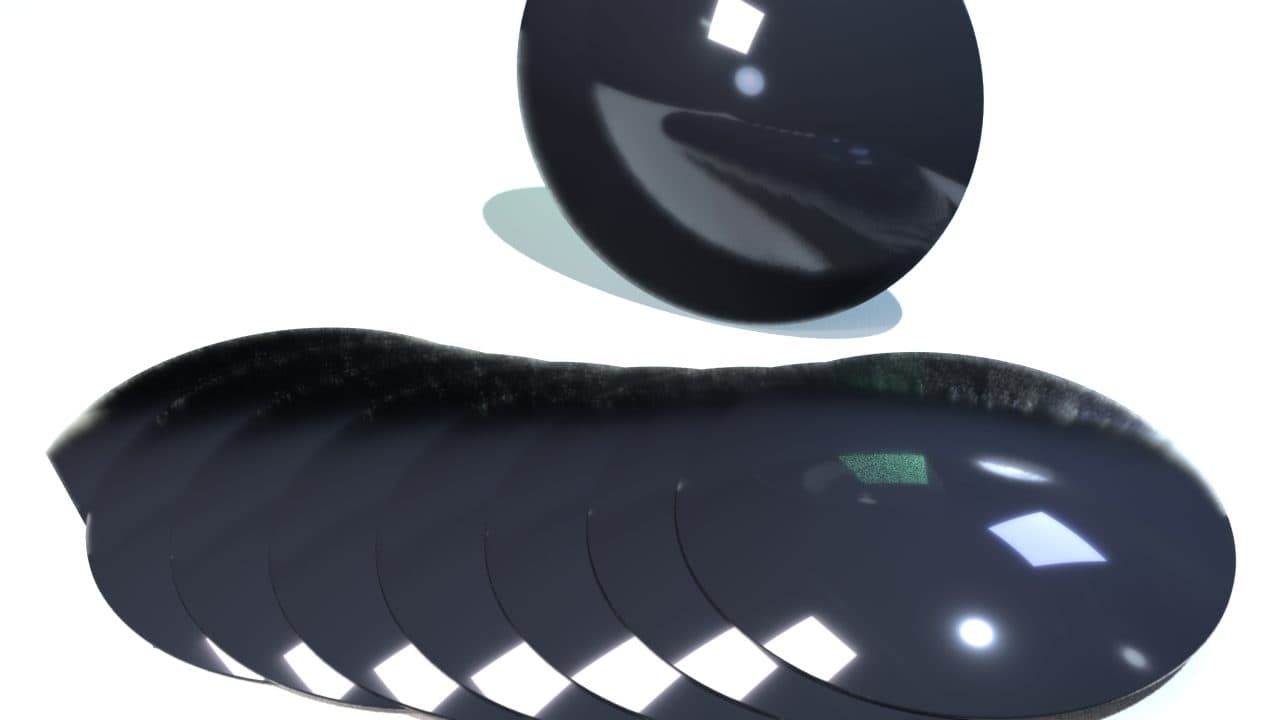
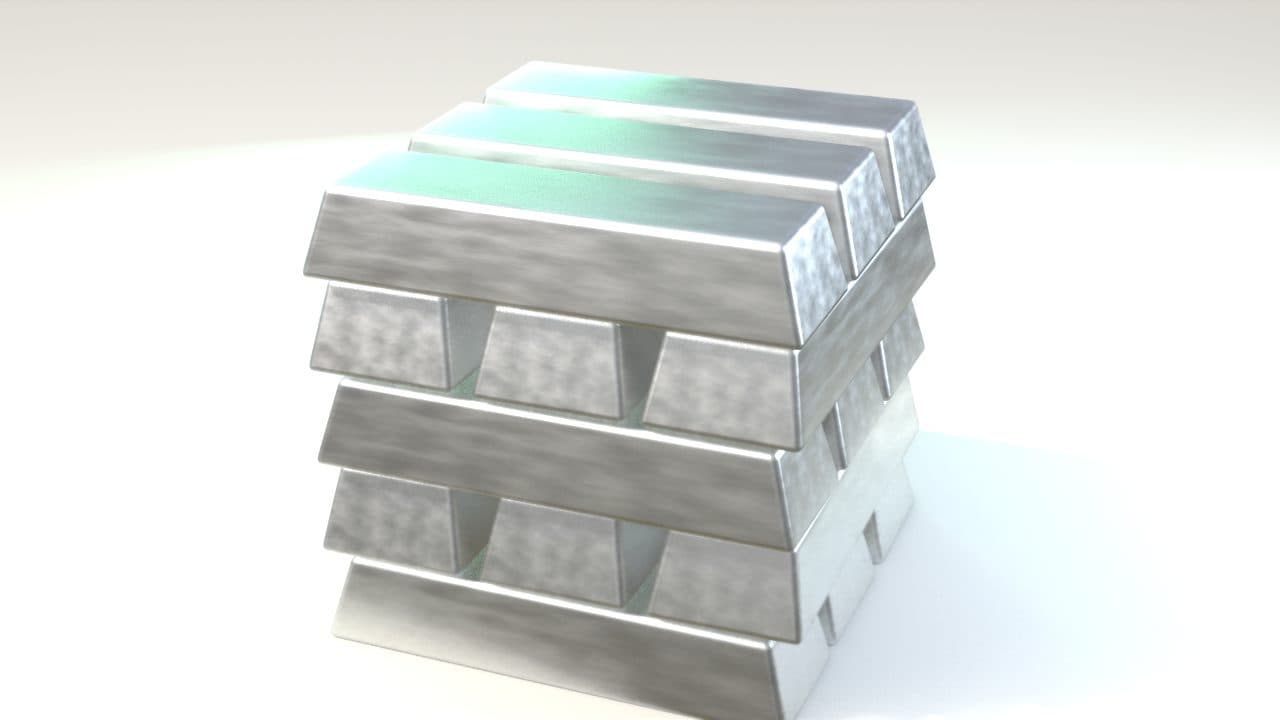
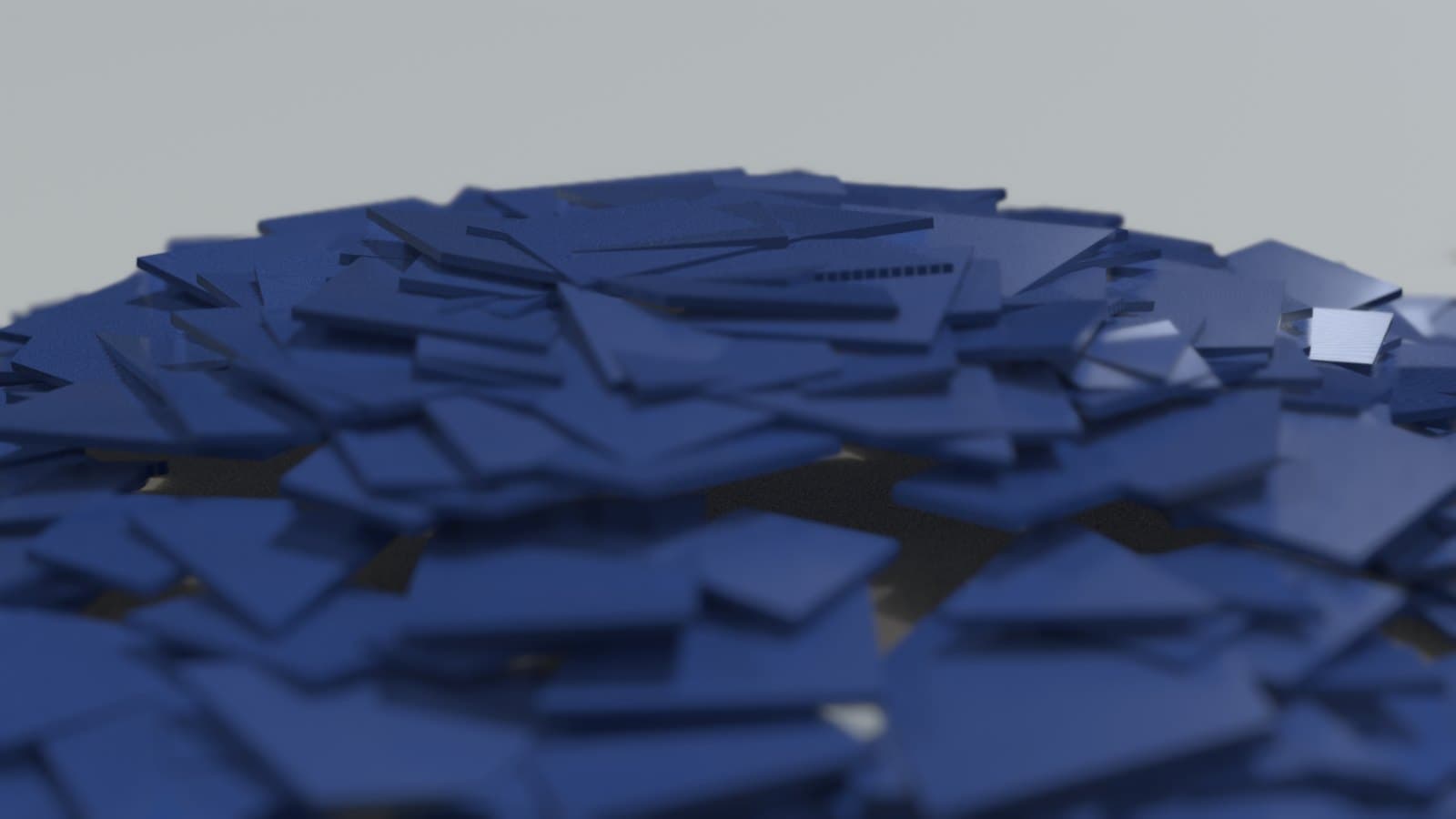
A heap of broken silicon solar cellsSolar cells laid out for sorting, some intact and some brokenA pallet of solar modules waiting to be taken apartPolished silicon wafersRecovered metal ingotsStep 01 / 05
  1. 01

    Collection and sorting

    Separate broken cells, intact cells, cell fragments and mixed module scrap.

  2. 02

    Cleaning and size separation

    Remove dust, glass particles, plastic, ribbons and other contaminants.

  3. 03

    Material separation

    Separate silicon-rich fragments from metal contacts and attached materials.

  4. 04

    Recovery and refining

    Recover silver and other metals, and process silicon for reuse where technically and economically viable.

  5. 05

    Testing

    Test the recovered materials for purity and composition.

2. What materials can you recover?

  • 01

    Silicon fragments

    The main semiconductor material. Broken fragments may be suitable for specialised silicon recovery, but generally cannot be used directly as new solar-grade wafers.

  • 02

    Silver

    Present in the front and rear electrical contacts, depending on cell technology. Recovery usually requires specialised refining and chemical processing.

  • 03

    Aluminium

    Found in the rear-side contact layer of many cells, and in the frames when cells come from module disassembly.

  • 04

    Copper

    May be present in solder ribbons, interconnects and attached metallisation. These are more relevant when cells come from module disassembly.

Solar modules

Broken solar modules: recycling and material recovery

Recycling broken solar panels can recover valuable materials such as aluminium, glass, copper, silicon and silver. The most practical approach is to separate reusable components first, recover bulk materials mechanically, and send complex or precious-metal-bearing fractions to specialised refiners.

1. Complete solar panel recycling process

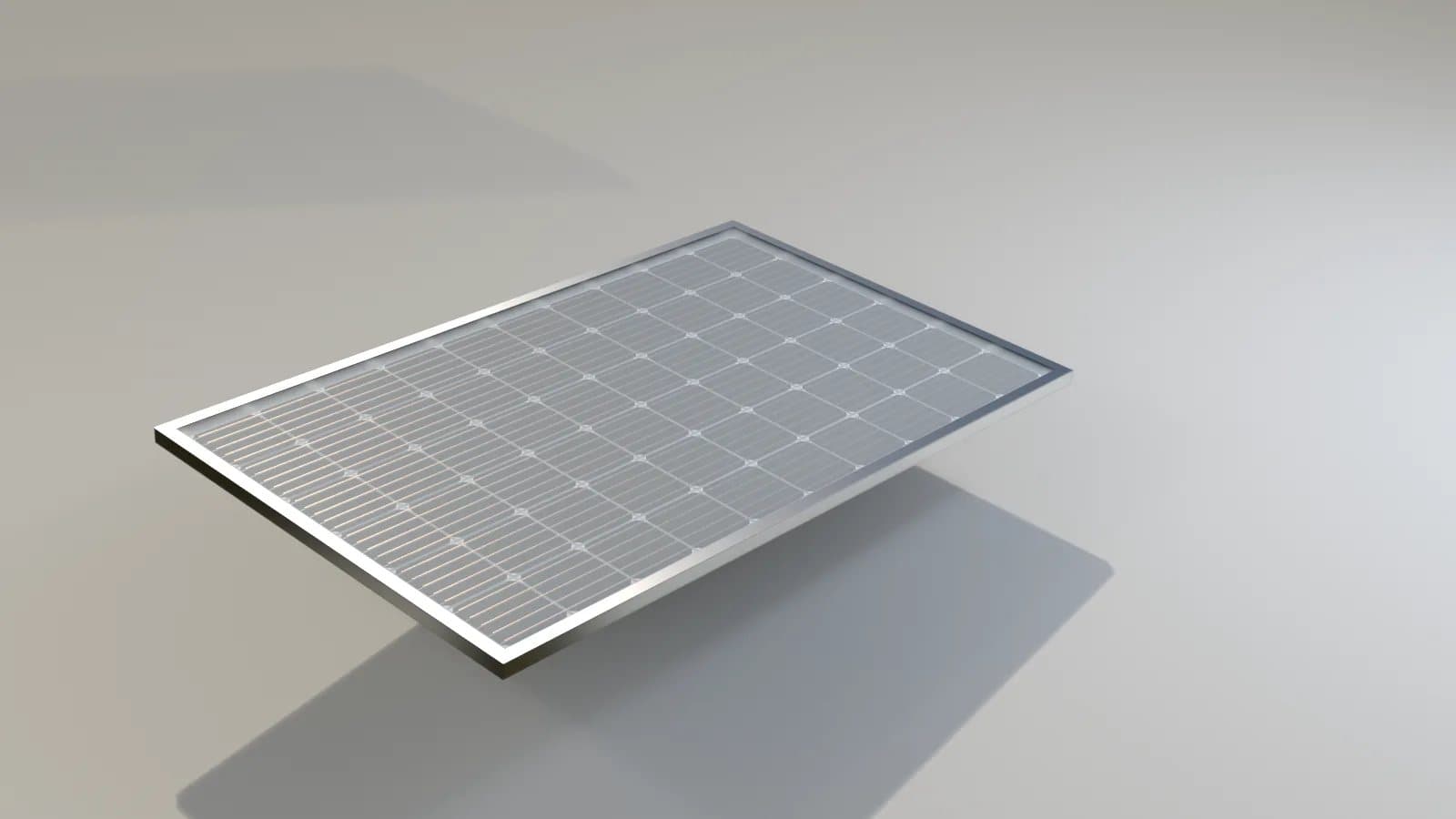
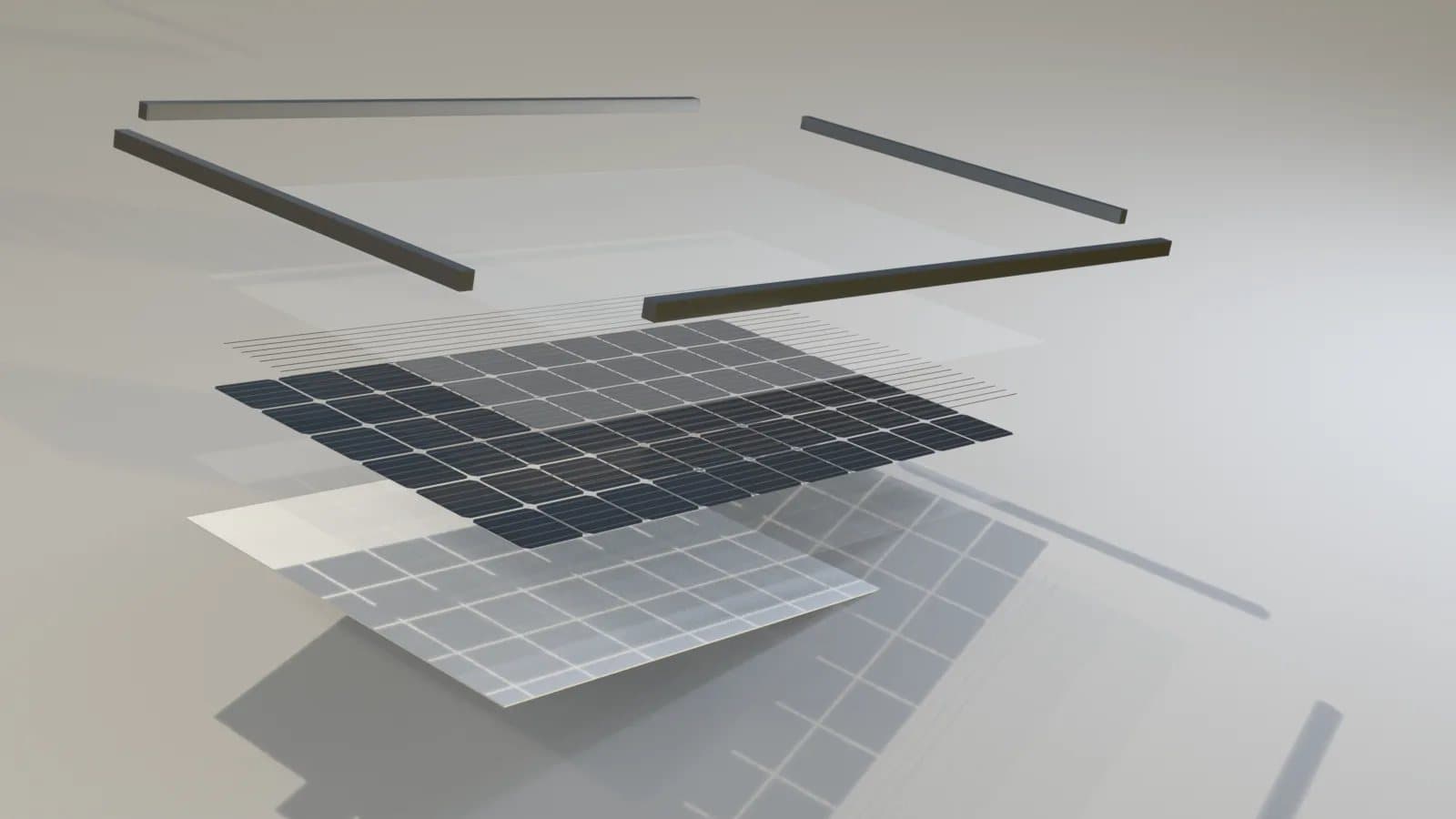
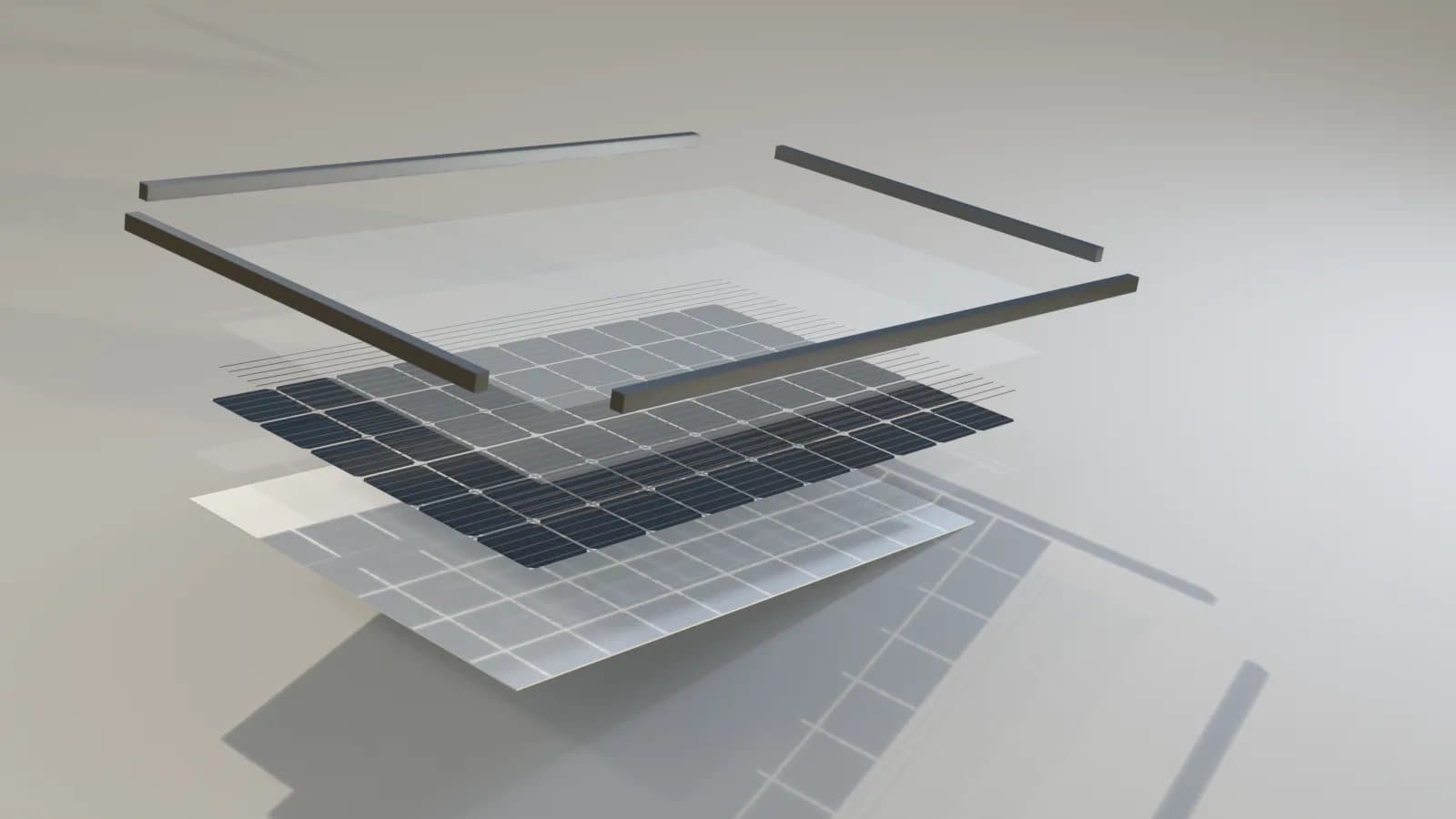
  1. A complete solar module before dismantling
    01

    Collection and inspection

    Receive broken, damaged, defective or end-of-life modules. Record quantities and identify module types.

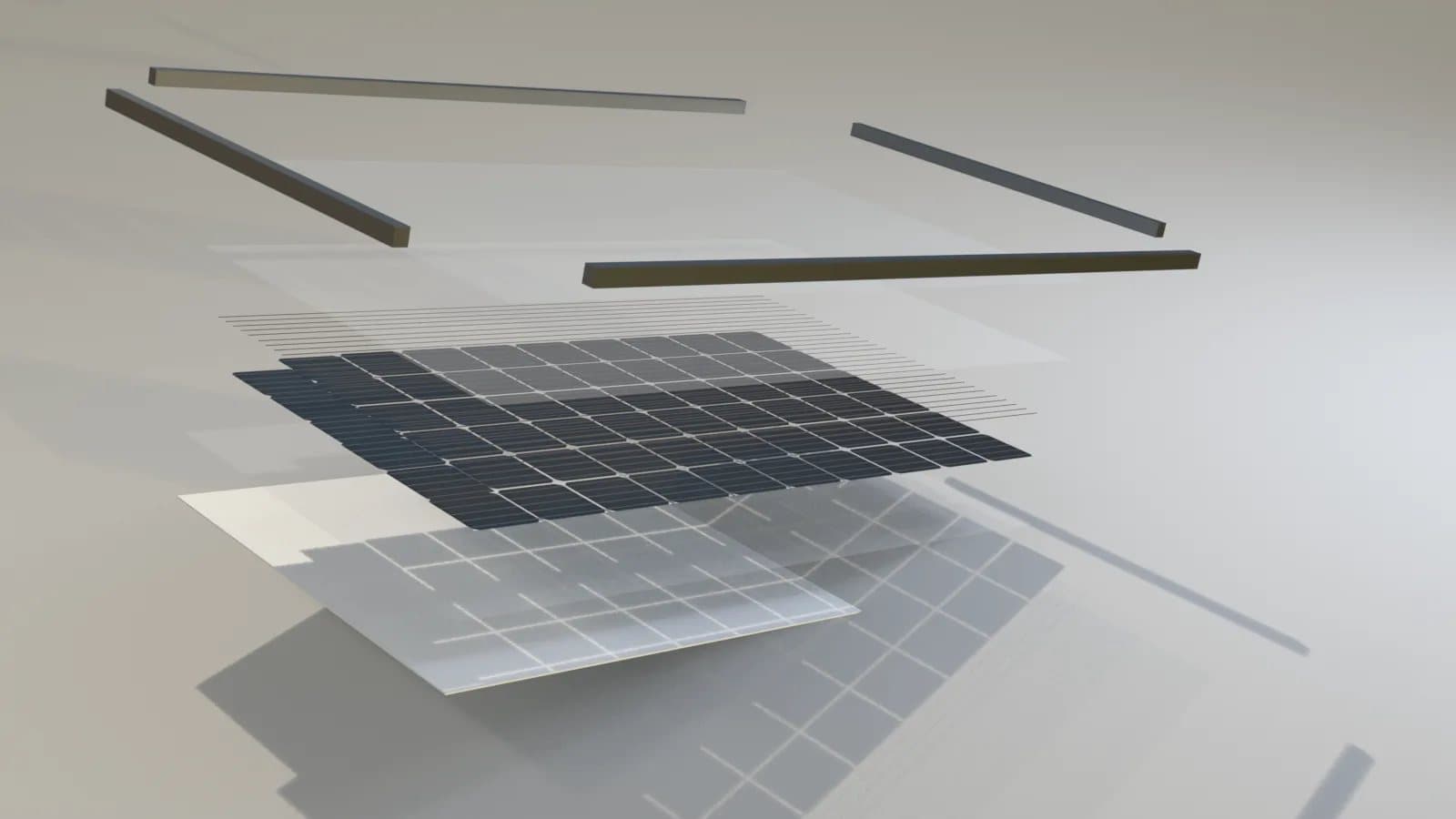
  2. The aluminium frame lifting away from a solar module
    02

    Manual dismantling

    Remove aluminium frames, junction boxes, cables and accessible connectors.

  3. The glass sheet separated from the cell laminate
    03

    Glass and laminate separation

    Separate glass from the encapsulated cell laminate using suitable mechanical or thermal processing.

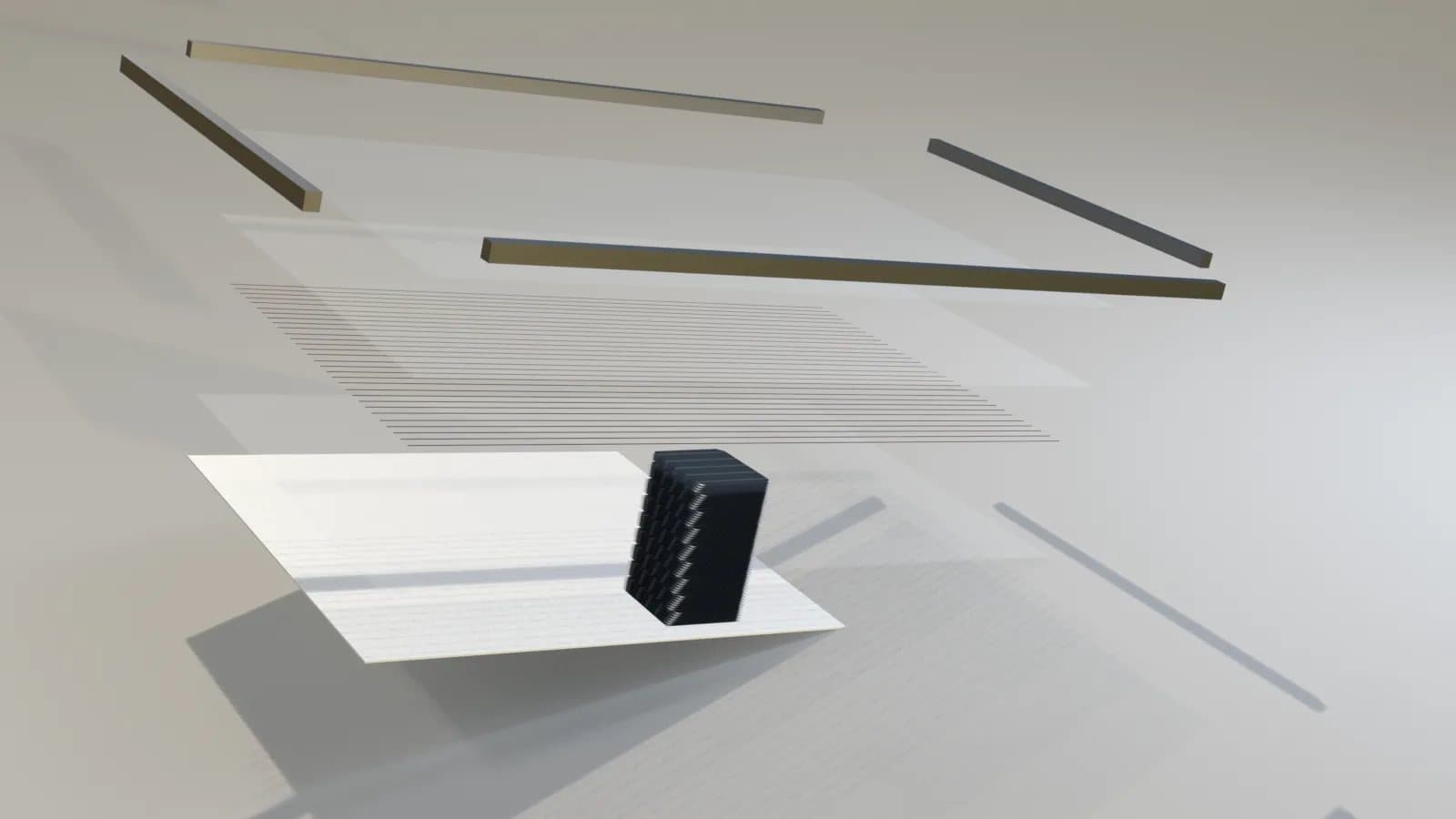
  4. Solar cells separating from the backsheet
    04

    Cell and material separation

    Process the laminate to separate silicon-cell fragments, copper ribbons, polymers and metal-bearing residues.

  5. Recovered cells gathered into a stack
    05

    Refining and recovery

    Recover suitable glass and metals, send silver-bearing fractions for refining, and evaluate silicon for reuse.

2. Materials recovered from a broken solar module

  • Recovered aluminium ingots

    Easy to recover

    Aluminium frame

    Remove mechanically and send to aluminium recyclers.

  • A sheet of module glass

    High-volume material

    Glass

    Recover clean glass where possible. Embedded polymers and cell fragments can reduce its value.

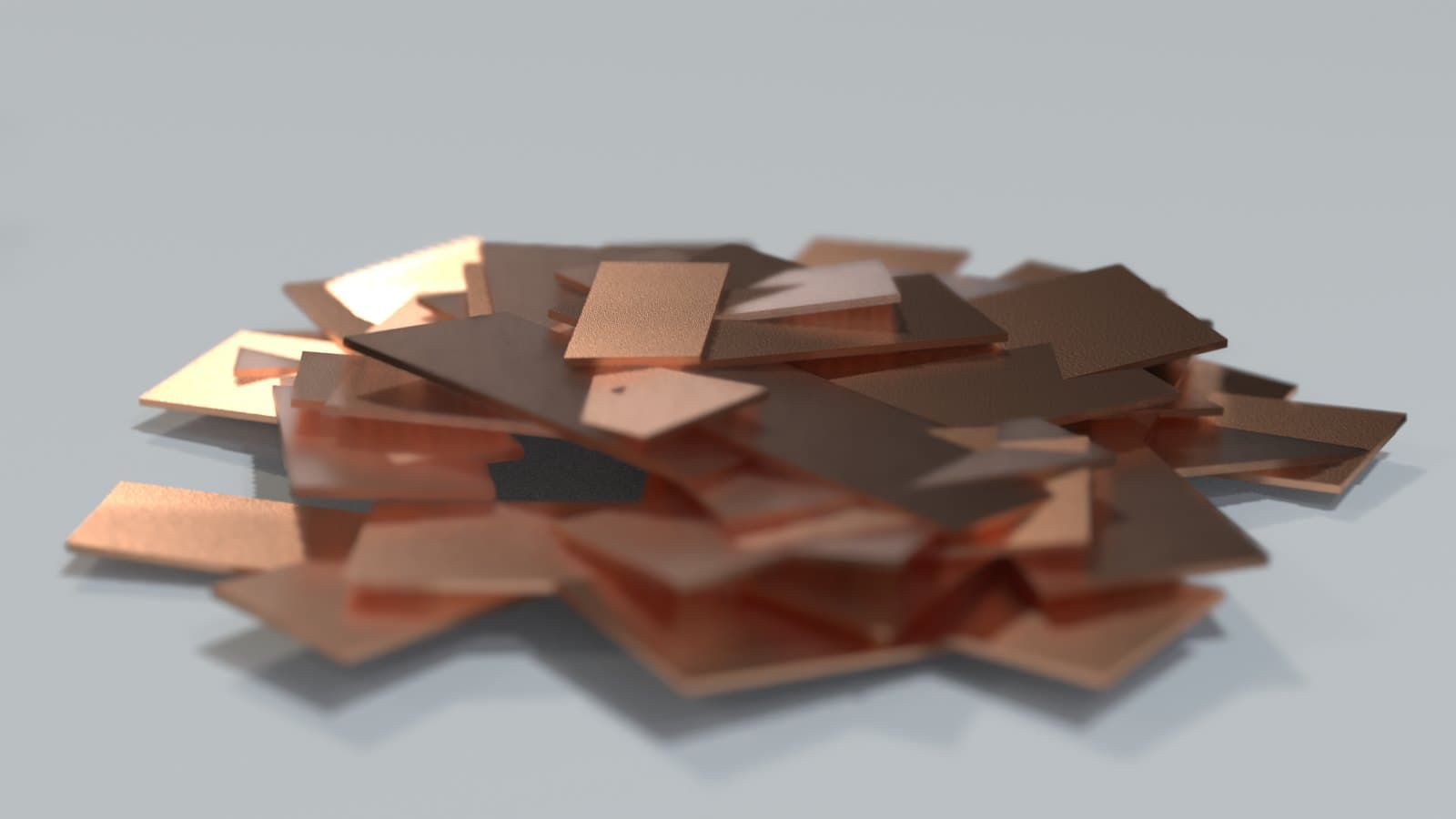
  • Recovered copper strips

    Mechanical recovery

    Copper and cables

    Separate cables, connectors, junction-box conductors and interconnect ribbons.

  • Recovered silicon cell fragments

    Specialised processing

    Silicon cells and silver

    Separate the cell-bearing laminate, then use suitable physical and refining processes to recover silicon-rich material and silver-bearing fractions.

  • The white backsheet layer of a module

    Difficult-to-recycle fraction

    EVA and backsheet

    These polymers bind the layers together. Separating them is one of the main technical challenges in solar panel recycling.

3. Three processing methods for a recycling plant

Frame removal from a solar moduleA

Best starting point

Method A: Manual dismantling and mechanical separation

  • Remove frames, cables and junction boxes.
  • Use suitable machinery to separate or size-reduce the remaining laminate.
  • Screen and sort glass-rich, metal-rich and cell-rich fractions.
  • Send difficult residues to specialist recyclers.

Advantages: Relatively straightforward equipment and recovery of bulk materials. However, ordinary crushing often produces mixed, lower-value fractions.

Module layers separatingB

Controlled heat

Method B: Thermal delamination

  • Use engineered thermal equipment to break down or release the encapsulant.
  • Separate glass, cells and backsheet materials.
  • Capture and treat emissions before discharge.
  • Process the recovered cell material separately.

Advantages: Can improve access to cells and embedded metals. Requires temperature control, emission treatment and careful management of potentially hazardous gases.

Cell-bearing fraction ready for refiningC

Specialist refining

Method C: Advanced chemical recovery

  • Prepare and concentrate the cell-bearing fraction.
  • Use a validated refining process to recover silver and other target metals.
  • Separate and purify products.
  • Treat all process liquids and residues appropriately.

Advantages: Potential for higher-purity recovered metals. Best suited to a specialised refining operation, rather than an untested small-scale chemical setup.

These methods can also be combined. Mechanical dismantling is common commercially, while advanced delamination and chemical processes can increase material purity but may raise capital, operating and environmental-control costs.

4. Equipment required for a solar recycling plant

EquipmentPurpose
Panel handling racks and lifting equipmentSafe movement and storage
Frame dismantling tools or machineAluminium recovery
Junction-box and cable removal toolsCopper and cable recovery
Glass breaker or laminate separatorGlass and laminate processing
Shredder or crusher with dust controlSize reduction, if required
Vibrating screens and separatorsMaterial classification
Dust extraction and filtrationWorker and environmental protection
Industrial furnace or delamination systemOptional advanced processing
Refining, filtration and effluent-treatment equipmentOptional metal recovery

Not every machine is needed at the beginning. A small facility can start with safe dismantling and sorting, then pass the laminate and cell-rich fractions to a specialised recycler.

5. Example material flow from 1 tonne of broken panels

An illustrative planning example for a crystalline-silicon module, not a guaranteed recovery yield. Actual quantities depend on panel construction, damage, contamination and separation efficiency.

  • Glassabout 750 kg
  • Aluminium frameabout 100 kg
  • Polymers (EVA and backsheet)about 100 kg
  • Silicon cellsabout 30 kg
  • Copper and other metalsabout 10 kg
  • Other materialsabout 10 kg

Approximate mass fractions for planning. Actual module composition varies.

IT equipment · 9 stages

Follow one laptop

  1. 01

    Pickup & weighing

    Our vehicle collects from your site in sealed bins. Every load is weighed and the slip shared with you.

    You get: Pickup receipt · weight record

  2. 02

    Inventory & chain of custody

    Every device that holds data is logged by serial number before it goes anywhere else.

    You get: Itemised asset list

  3. 03

    Data destruction

    Drives are software-wiped, degaussed or physically shredded, depending on what you need.

    You get: Certificate of Data Destruction

  4. 04

    Test, grade, refurbish

    Equipment that still works is tested and reused where possible.

    You get: Buy-back value where applicable

  5. 05

    Manual dismantling

    Batteries and hazardous parts come out first. Then boards, cables, metals, plastics and glass are separated by hand.

  6. 06

    Mechanical separation

    Shredding, magnets for steel, eddy currents for aluminium, density tables for copper.

  7. 07

    Material recovery

    Copper, aluminium, steel and plastics go back to manufacturers. Circuit boards go to precious-metal recovery.

  8. 08

    Safe residue disposal

    What can't be recovered goes to authorised hazardous-waste facilities, never to landfill or open burning.

  9. 09

    Certification

    You receive recycling and destruction certificates and the documents your compliance and ESG reports need.

    You get: Recycling certificate · compliance pack

The yield

What comes out the other end

  • Copper200–300 kg
  • Gold~165 g (up to 900 g)
  • Palladium12–15 g

Typical recoverable metal in one tonne of printed circuit boards. Gold content varies widely by board grade. Bars use a log scale.

Paperwork

What you
receive

Recycling you can prove. Every job comes with documents your auditors, compliance team and ESG report can rely on.

  • DOC 01

    Weighbridge slip

    Gross, tare and net weight of every load.

  • DOC 02

    Asset list

    Serial numbers of every data-bearing device.

  • DOC 03

    Certificate of Data Destruction

    Method used and serials covered.

  • DOC 04

    Recycling certificate

    Confirms responsible processing, for your audits.

  • DOC 05

    E-waste manifest

    Transport document (Form 6) under the E-Waste Rules.

  • DOC 06

    GST invoice & e-way bill

    Proper paperwork on every commercial movement.

Questions

Process FAQ

What is the e-waste recycling process?+

Collection and weighing, logging every data-bearing device, destroying data, testing equipment for reuse, dismantling by hand, mechanical separation of metals and plastics, recovering materials, safely disposing of residue, and issuing certificates.

How do you destroy data on hard drives?+

Depending on your requirement: software wiping to recognised standards, degaussing, or physical shredding. You receive a Certificate of Data Destruction listing the serial numbers covered.

What happens to the parts that can't be recycled?+

Residues that can't be recovered go to authorised hazardous-waste treatment facilities. Nothing is burned in the open or dumped.

Do I get documents for compliance or ESG reporting?+

Yes: weighment records, a recycling certificate, destruction certificates and the transport manifest, ready for audits, ESG/BRSR reports and the e-waste returns that bulk consumers must file.

Contact Us

Have e-waste to get rid of?

Tell us what you have and where it is. We will send you a quote, collect it, and give you the paperwork.

Contact Information

Tell us what you have and where it is. We will get back to you with a quote.

  • Corporate officeNo 12, F Cross, Coles Road, Frazer Town, Pulikeshinagar, Bangalore, Karnataka 560005Landmark: Above Bandhan Bank
  • Recycling plant67/P4, Bidadi Industrial Area, Sector 2, 2nd Phase, Shynumangala, Bidadi, Ramanagara District, Karnataka 562109